Ready to see what M.E.B.A. can do for your career?
Six steps. $150 to start. The best pension, healthcare, and training in the industry from day one. Download the application or find your nearest hall.

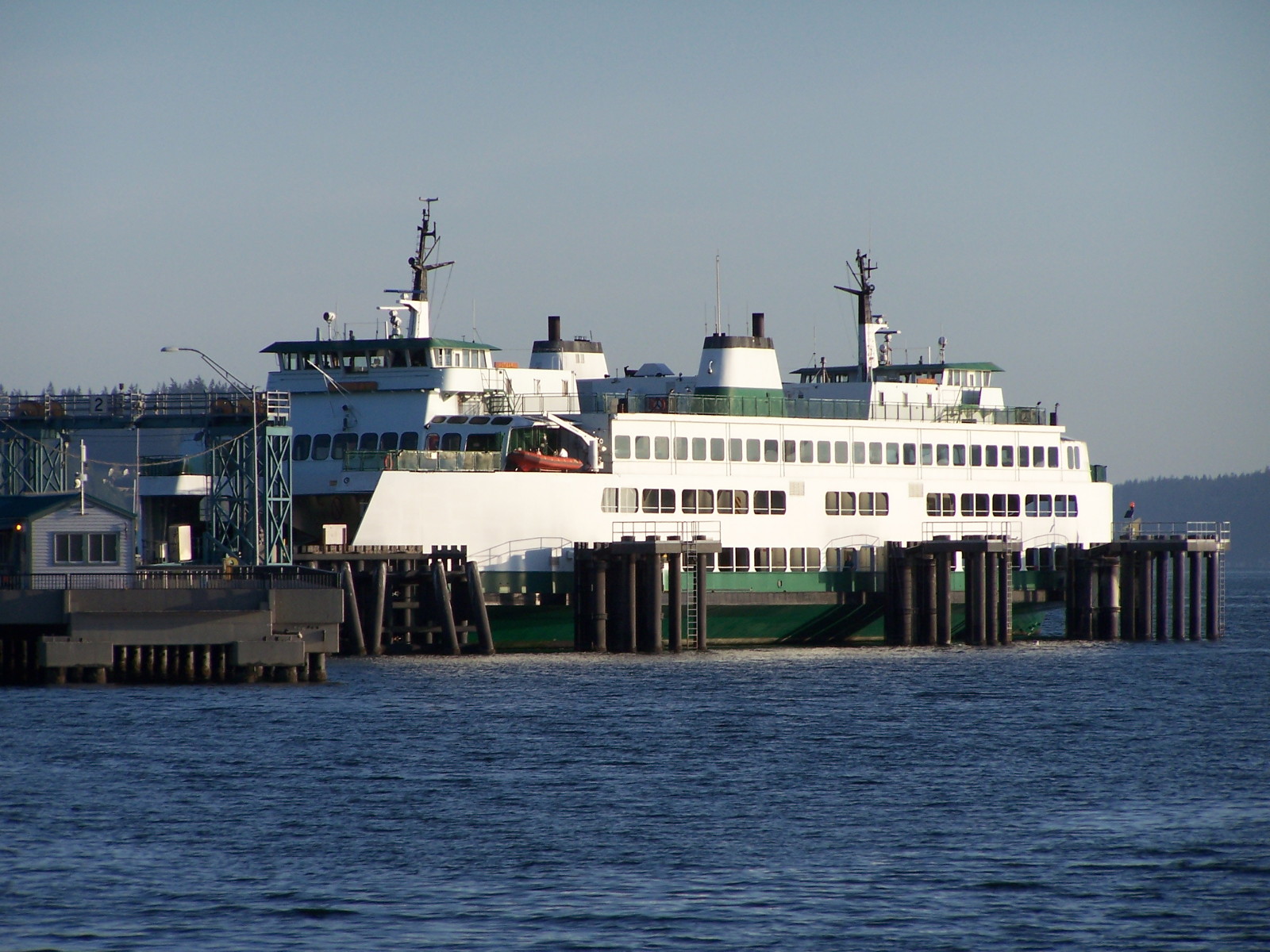
The Washington State Ferry system faced widespread cancellations (13 vessels) on Monday (Oct. 5) as a shortage of qualified engineers disrupted service on routes across the system, bringing renewed attention to longstanding concerns over staffing, wages and working conditions for the ferry system’s engine-room crews. M.E.B.A., which represents WSF engineers, learned of the cancellations through media reports and rejected any suggestion that it organized or encouraged the engineers’ absences, as many overworked and underpaid members called in sick that day.
The current problems the system is experiencing are the result of a decades-long effort by WSF management to cut staffing levels that historically provided a staffing cushion aboard each vessel. For decades, the union’s contract required an extra engine-room crewmember beyond the minimum number required by the Coast Guard. That meant a vessel could generally continue sailing when an engineer was unexpectedly absent. M.E.B.A. says management eventually eliminated those additional positions and reduced crews to the legal minimum. Under the depleted system, even a single absence can leave a vessel without enough qualified engineers to sail. Management has increasingly relied on overtime from the remaining engineers to cover vacancies, creating an unsustainable workload.
Engineers are already scheduled to work 84 hours during a typical seven-day workweek. Some have reportedly accumulated more than 1,500 overtime hours in a year, while dozens have exceeded 500 hours. Compensation has become a major factor in retaining qualified engineers.
During the most recent round of contract negotiations, M.E.B.A. sought a 20% wage increase, arguing that ferry engineers are currently paid substantially less than their deck-crew counterparts and as much as 40% less than comparable maritime engineers in public and private-sector jobs. The pay disparity, combined with chronic staffing shortages and heavy overtime demands, has made it increasingly difficult to attract and retain qualified personnel. By contrast, WSF offered a wage freeze, citing dire state budget constraints. Ultimately, the parties went to interest arbitration where the arbitrator sided with the State, ordering a wage freeze and a mid-term wage reopener provision. Accordingly, the parties will be back at the table next year, with reopener negotiations commencing July 1, 2027.
The consequences of WSF’s years-long mismanagement were evident Monday, when crew shortages forced cancellations or reduced service on several major routes, including Seattle-Bainbridge, Seattle-Bremerton, Edmonds-Kingston and Anacortes-San Juan Islands. Ferry-dependent residents and businesses were among those affected, with workers struggling to reach jobs and deliveries delayed. Washington Gov. Bob Ferguson met with M.E.B.A. leadership Monday and called for the ferry system to return to full service, while acknowledging that staffing remains an issue.
Then in another emergency meeting yesterday, M.E.B.A. ferry mariners including our WSF Rep. Eric Winge, met with Gov. Ferguson and WSF leadership to present the workforce’s concerns over burnout, fatigue, low morale and what the Union identifies as an underlying compensation gap. The Governor noted that immediate statutory and budgetary constraints prevent an instant, unilateral wage adjustment. However, the Union pressed three key urgent asks: an independent Marine Employees’ Compensation survey, enforcement of the statutory requirement that WSF wages be competitive with maritime labor market, and a formal commitment to achieving engine-department wage parity with the deck department. Ferguson expressed agreement, contingent on operational continuity and a return to normal service, and pledged to publicly identify engine-department wage parity as a top administrative priority.
M.E.B.A. wants to continue to work with WSF management to restore reliable service, but argues that doing so will require addressing the underlying staffing and compensation problems rather than relying indefinitely on overtime and minimum staffing levels. For the engineers who keep the ferries’ propulsion and mechanical systems operating, Monday’s disruptions are not simply a scheduling problem. They confirm that a system cannot expect reliable service when the workforce responsible for safely operating its vessels is stretched to the limit.
Six steps. $150 to start. The best pension, healthcare, and training in the industry from day one. Download the application or find your nearest hall.